The 2026 Outlook on Generative AI

From Novelty to Utility: The Economics of Autonomous Agents

In 2026, competitive advantage won’t come from having the “best model.” It will come from building agentic systems that are economically viable, operationally safe, and production-ready.

This whitepaper is written for CTOs, VPs, Directors, and engineering leaders who have run GenAI or agent pilots on AWS and now need ROI, reliability, and a clear operating model for what comes next.

What You’ll Learn:

  • Why autonomous agents are shifting from chatbots to long-running operators
  • How the price-performance shift changes orchestration and unit economics
  • How Federated Intelligence routes work across local, open-weight, and frontier models
  • What safety requires as autonomy increases: guardrails, identity, evaluations, and observability
  • A practical 2026 production readiness checklist for moving from PoC to production

Download Now:


Loading...

Related Blog Posts

Claude Haiku 5.5: Stronger Capabilities and Lower Prices

Explore what’s new in Claude Haiku 5.5, including what's improved, where Haiku fits alongside the latest Sonnet, Opus, and Fable models, and what has changed in pricing, API behavior, and safeguards.

Generative AI & LLMOps
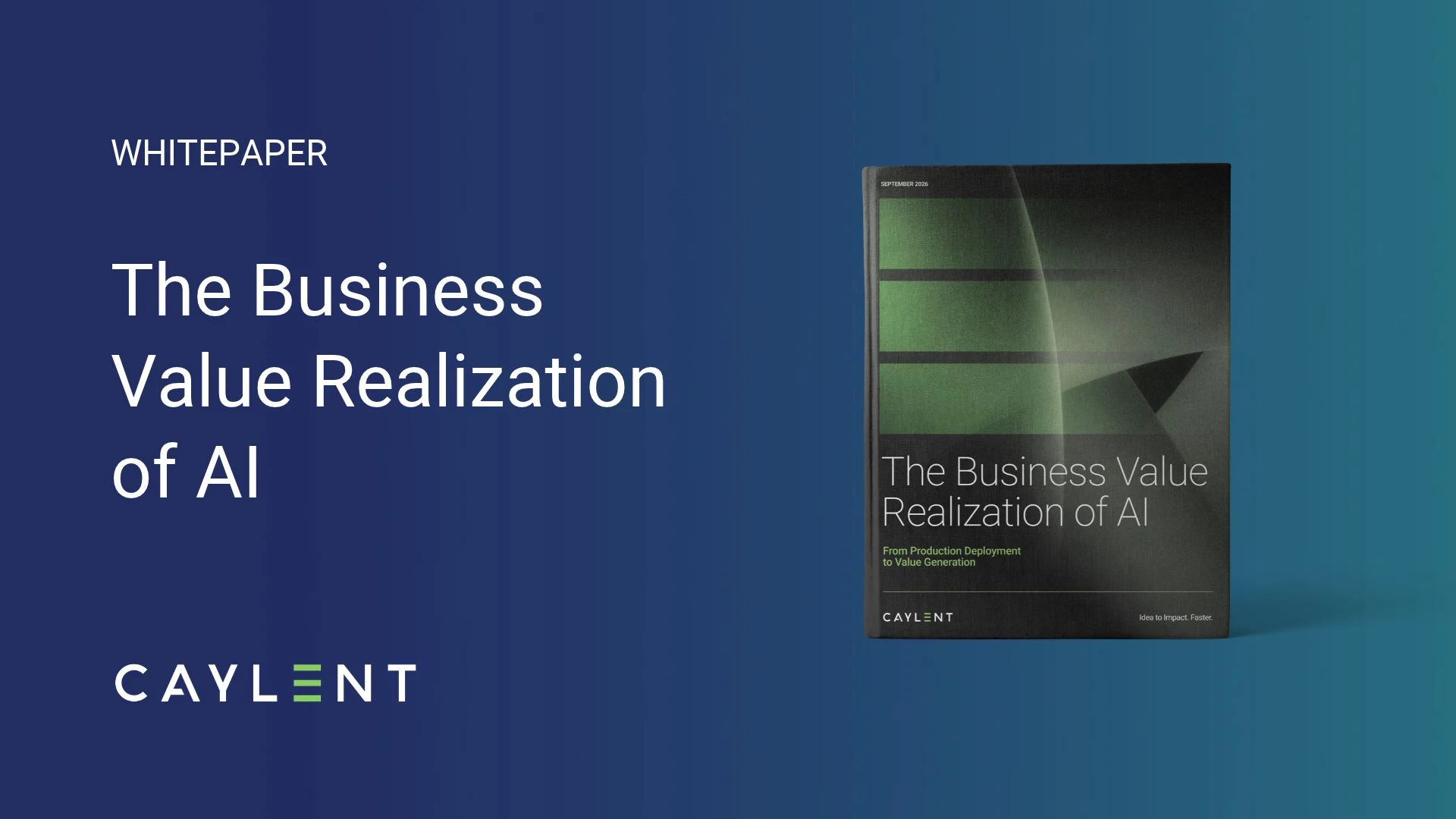
Whitepaper: The Business Value Realization of AI

Generative AI & LLMOps

Claude Sonnet 5.5: Better Coding and Knowledge Work at Sonnet 5 Prices

Explore what’s new in Claude Sonnet 5.5, including its improvements, where it fits alongside other Claude models, and what organizations should know before migrating.

Generative AI & LLMOps