 Trek10 Team
Caylent Services
Cloud Operations & Managed Services
Reliably Operate and Optimize Your AWS Environment
If you are configuring AWS accounts from scratch you may be wondering, which is the best fit for me? Here we weigh the pros & cons.
This blog was originally written and published by Trek10, which is now part of Caylent.
A critical first step on your AWS journey is launching and configuring a robust multi-account “landing zone” with best practices for security and governance baked in. Over the years, many tools have sprung up to support this need. Currently, the two most common approaches we see and use are Control Tower (the AWS native service) & OrgFormation (an open-source solution).
If you are configuring AWS accounts from scratch you may be wondering, which is the best fit for me? These are two very different approaches and both are great fits for the right situation. In this post, we will lay out some of the pros and cons to help you make a more informed decision.
If you have come to this post there’s a good chance that you already know about Control Tower and OrgFormation, but if you don’t, you’re either new to AWS or have found yourself exhausted scrolling endlessly through social media at 2:00 AM to realize you have wasted three hours and need to go to bed having learned something new, so have no worries. We are here to help you understand the pros and cons of using both of these tools.
AWS Control Tower is an AWS service that provides a means to set up and govern a secure, multi-account AWS environment based on AWS best practices. With AWS Control Tower, we can provision new AWS accounts easily and ensure your accounts conform to your company-wide policies. It functions as a pre-baked layer of abstraction on top of AWS Organizations, AWS Config, CloudTrail, CloudFormation, and a few other services to provide the features that are included in this offering.
AWS OrgFormation is an open source project that communicates with the AWS API to perform assorted functions to configure a multi-account AWS environment with best practices. It primarily works in conjunction with AWS Organizations which provides a way for customers to manage accounts centrally, allowing them to set and apply security control policies, and manage billing and costs across accounts. OrgFormation is an open-source solution that is not officially maintained by AWS but has abundant community support.
A link to the commonly used OrgFormation CLI for reference
Both Control Tower and OrgFormation have similar functionalities but many important differences.
The section below draws a good comparison between Control Tower and Org Formation.
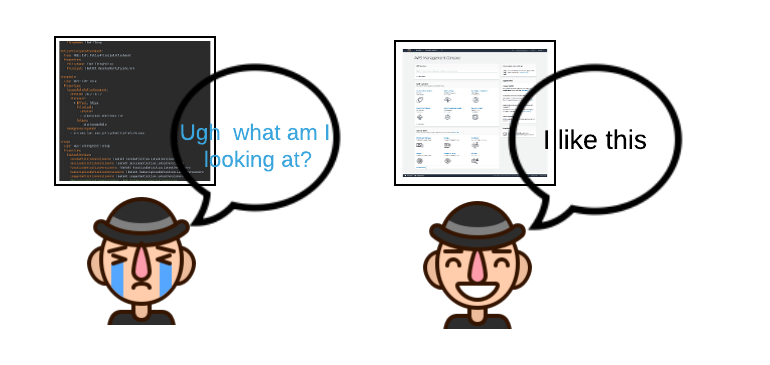
1. It is not code-defined and can not be managed as Infrastructure as Code.
2. There are significant limitations to using Control Tower, and it is not very customizable. Some of the limitations with Control Tower are:
3. Each operation to your Control Tower landing zone (creating accounts, applying a guardrail, changing your landing zone configuration, etc) will take around an hour. These types of operations can only be performed one at a time, so it can take a very long time to complete the creation and configuration of your landing zone.
4. Any out-of-scope changes that are made usually result in errors on the Control Tower console. These errors would need to be fixed before continuing further. The fixing period usually requires a waiting time of up to an hour for all the changes to propagate and they can not be done in parallel.
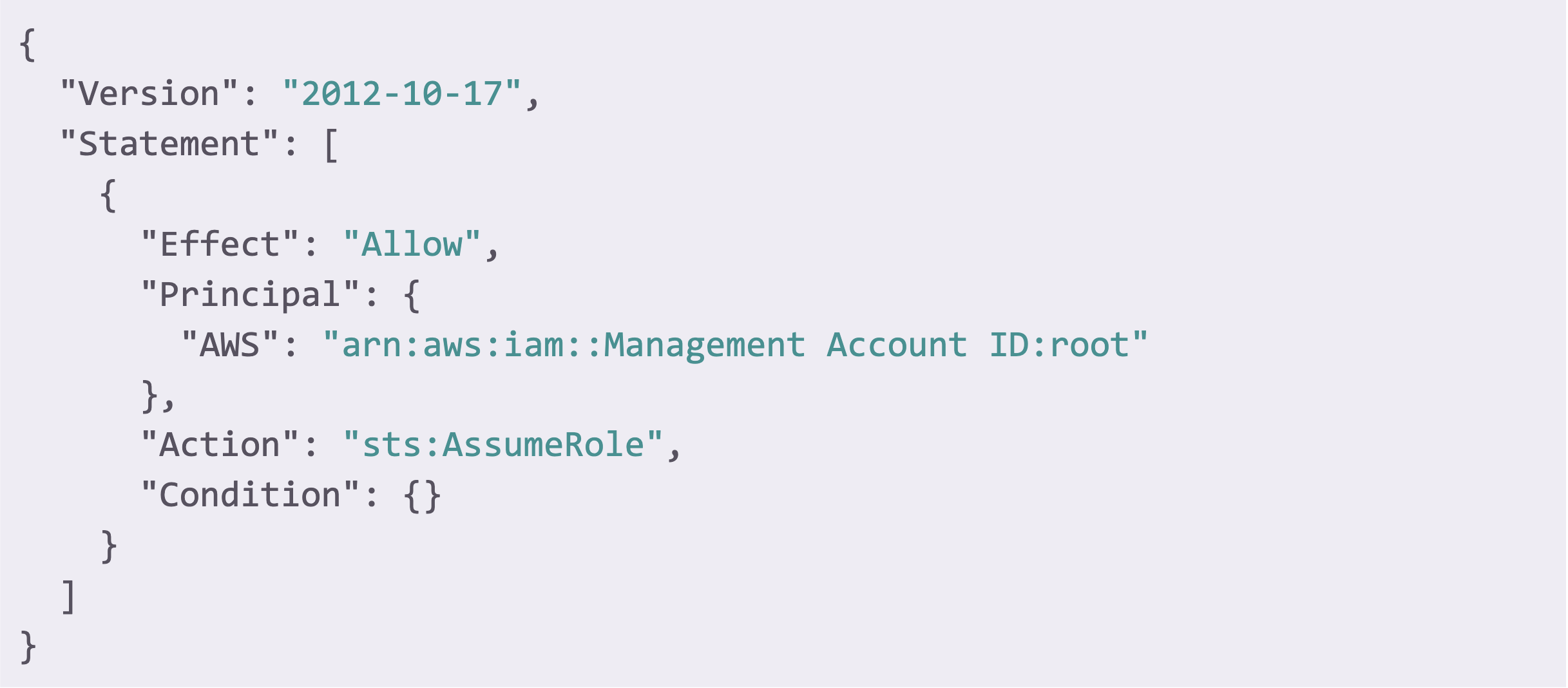
5. Bringing existing accounts into Control Tower is challenging. Control Tower has many prerequisites that need to be met before an account can be added. Some of these prerequisites are:
Role Name: AWSControlTowerExecution
Role Permission: AdministratorAccess (AWS managed policy)
Role Trust Policy:
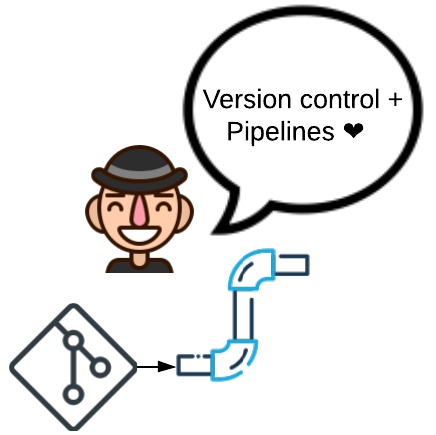
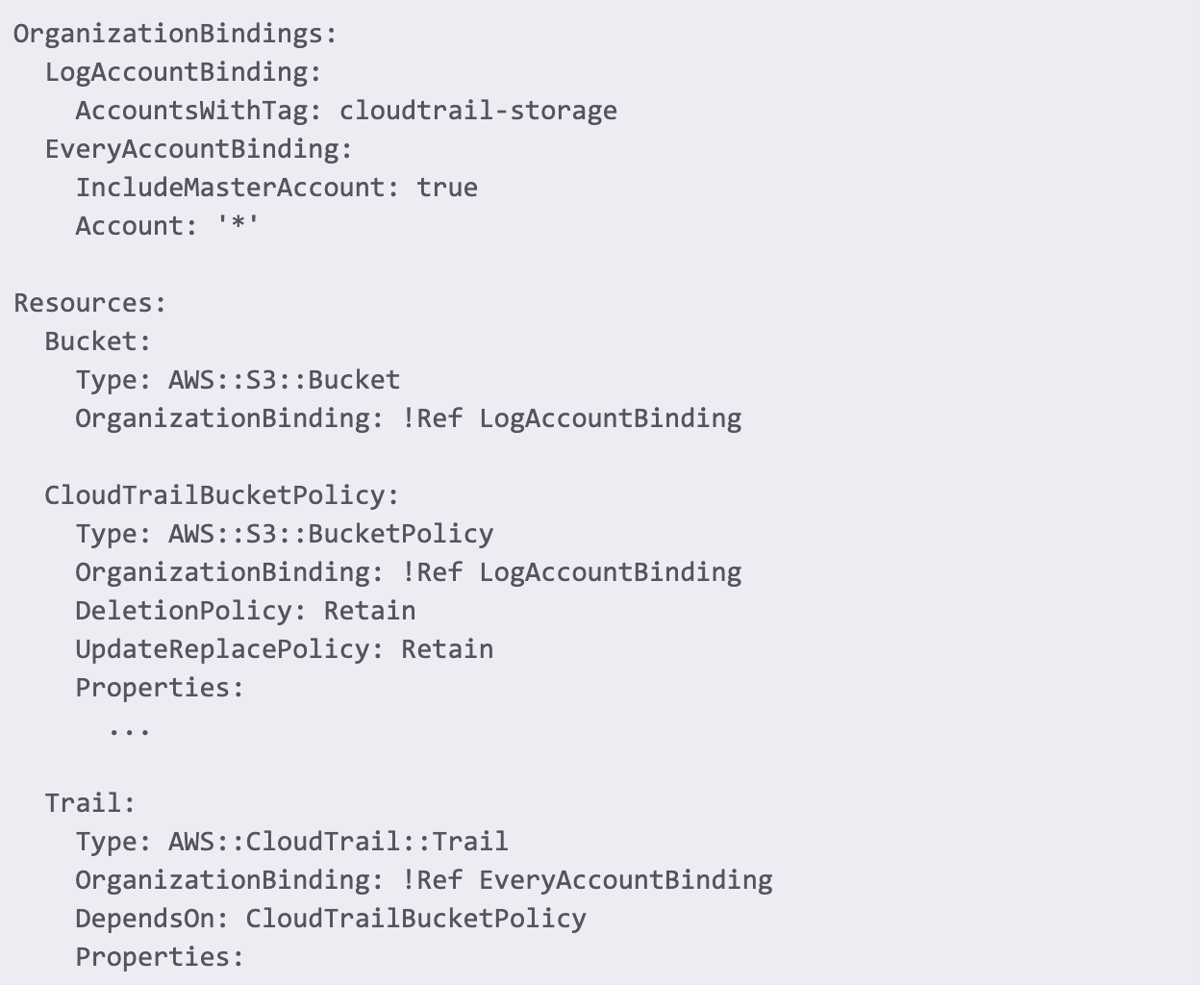
2. There are scriptable sets of tasks such as updating organization structure, updating CloudFormation stacks across your organization, registering CloudFormation resource providers, and even deploying Serverless Framework or AWS CDK applications. These operations are all orchestrated in a declarative manner via OrgFormation task files. It also supports dynamic OrgFormation-Annotated CloudFormation. This means that it allows you to define bindings to deploy infrastructure to accounts and regions dynamically based on tags, organizational units, or account enumeration. It supports the ability to reference resources defined across accounts and across regions within the same template ensuring everything is defined and orchestrated through IaC.
Hopefully the point-to-point comparison of Control Tower and OrgFormation has helped you in deciding which to choose for your specific need, however, if you are still confused provided below is a recommendation based on your company profile.
If you...
Control Tower would be a good fit for you.
If you..
OrgFormation would be a good fit for you.
Hope this post helps you in choosing the right tool for account management and governance!
Founded in 2013, Trek10 helped organizations migrate to and maximize the value of AWS by designing, building, and supporting cloud-native workloads with deep technical expertise. In 2025, Trek10 joined Caylent, forming one of the most comprehensive AWS-only partners in the ecosystem, delivering end-to-end services across strategy, migration and modernization, product innovation, and managed services.
View Trek10's articlesCaylent Services
Reliably Operate and Optimize Your AWS Environment
Caylent Services
Quickly establish an AWS presence that meets technical security framework guidance by establishing automated guardrails that ensure your environments remain compliant.

Explore how Amazon Bedrock AgentCore’s latest capabilities shift the role of managed services providers needed to run agents reliably in production.
The reactive human-plus-tools model has hit its ceiling. Learn why world-class AWS agentic cloud operations require agents governed by domain experts.
Explore how Caylent and AWS are helping organizations move from AI experimentation to execution by combining agentic AI, modernization, and next-generation cloud operations to deliver faster, more secure, and more scalable business outcomes.
